A Guide to Native UK Habitats
Bring the Wild Back to Your Garden
Your Garden as a Living Jigsaw
The UK has lost nearly 97% of its wildflower meadows since the 1930s.
Today, our 22 million domestic gardens represent a vital national park that can bridge the gaps between fragmented wild spaces. By mimicking native UK habitats, you aren’t just planting a garden; you are building a sanctuary.
The Mixed Native Hedgerow
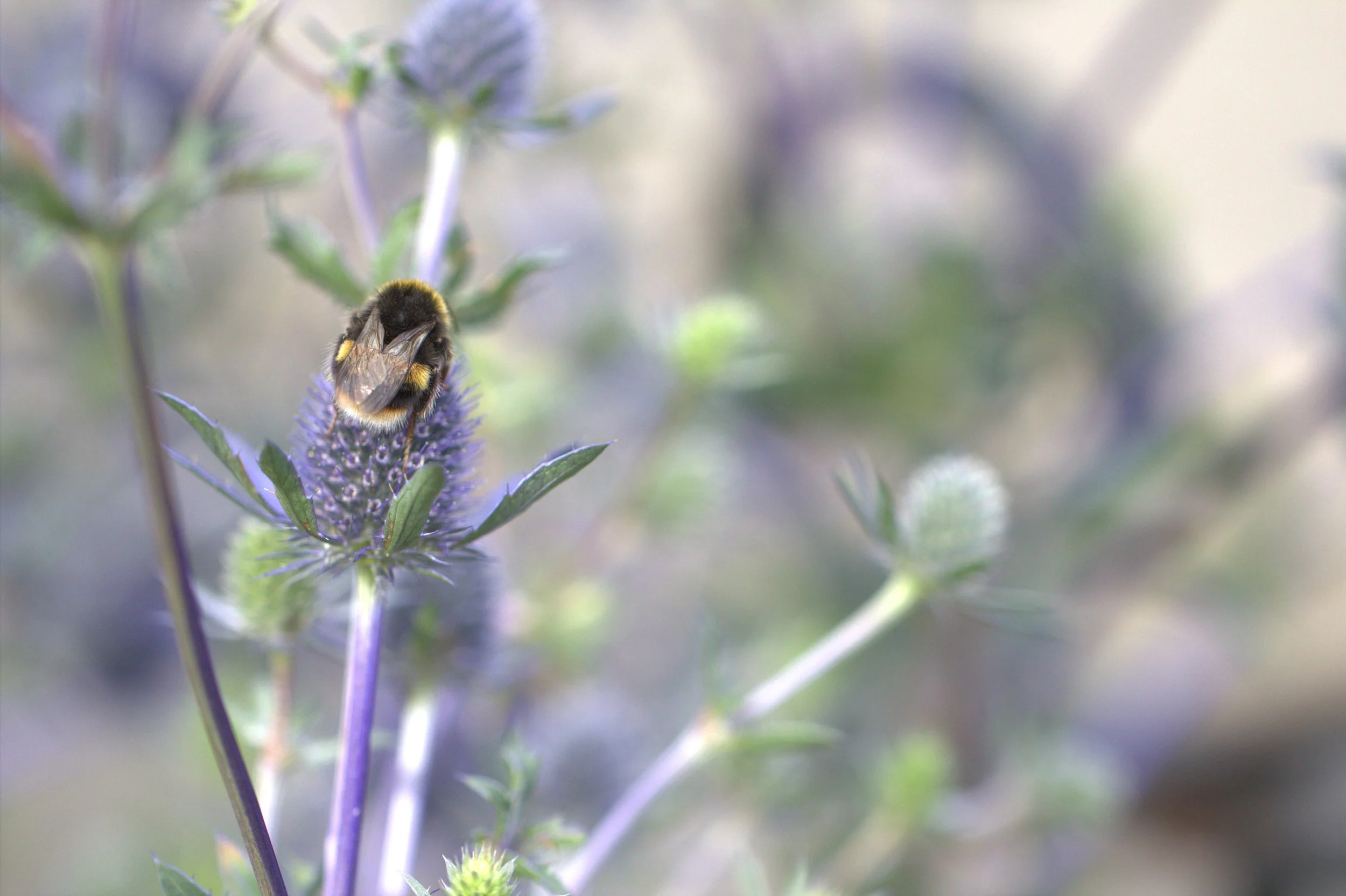
If you could choose only one wildlife habitat to introduce to your garden, the mixed native hedgerow comes highly recommended. It is low maintenance, easy to construct, visually attractive, and incredibly effective at supporting biodiversity.
Why choose a native hedgerow?
Hedgerows are vital wildlife corridors. Their importance to UK biodiversity cannot be overstated:
Almost all of our woodland birds, half of our mammals, and a third of all butterflies rely on hedgerows for survival.
30 species of woodland birds use hedgerows for nesting, while many more use them for shelter and foraging.
They provide a continuous bounty, from early spring flowers for pollinators like bumblebees to late autumn berries for winter visitors like the Fieldfare.
Since the loss of 300,000 miles of hedgerow has directly contributed to the decline of many animal populations, planting one in your garden helps reverse this trend.
Key features & benefits
A single native shrub like Hawthorn can attract 150 different species of insects.
Your garden will benefit from shifting seasonal colours and a variety of flowers, seeds, and foliage.
Beyond its wildlife value, a dense hedge acts as a natural barrier against trespassers.
The base of the hedge mimics a woodland floor, attracting small mammals that forage through the undergrowth.
| Native Species | Why Plant It? |
|---|---|
| Hawthorn | The "backbone" of a native hedge. A single shrub can attract over 150 species of insects. Provides dense nesting cover and autumn berries. |
| Hazel | Produces spring catkins and nutritious nuts for mammals. Great for structure and "traditional" hedge-laying styles. |
| Blackthorn | Provides vital early-season nectar for pollinators and "Sloe" berries for birds. Forms a secure, thorny barrier. |
| Guelder Rose | Famous for lace-cap flowers and bright red berries. Highly attractive to hoverflies and birds. |
| Field Maple | The only UK native maple. Offers stunning yellow autumn foliage and is extremely hardy and fast-growing. |
| Dog Rose | Provides scented summer flowers for bees and high-energy rosehips for birds during the winter. |
| Crab Apple | Exceptional spring blossom for pollinators and late-season fruit for various bird species. |
| Wild Privet | A major nectar source for butterflies. Produces dark berries that are a staple for birds like the Bullfinch. |
| Buckthorn | Crucial for biodiversity; it is the primary caterpillar food plant for the Brimstone butterfly. |
| Wildlife Rating | 🐞🐞🐞🐞🐞 (5/5) |
A bog garden is a managed wetland habitat, essentially a patch of waterlogged soil that never fully dries out but doesn't have the standing water of a pond.
Historically, the UK’s marshes and peatlands have been decimated by drainage and development. By creating a bog garden, you are recreating a miniature version of these rare wetland ecosystems right in your backyard.
The Bog Garden
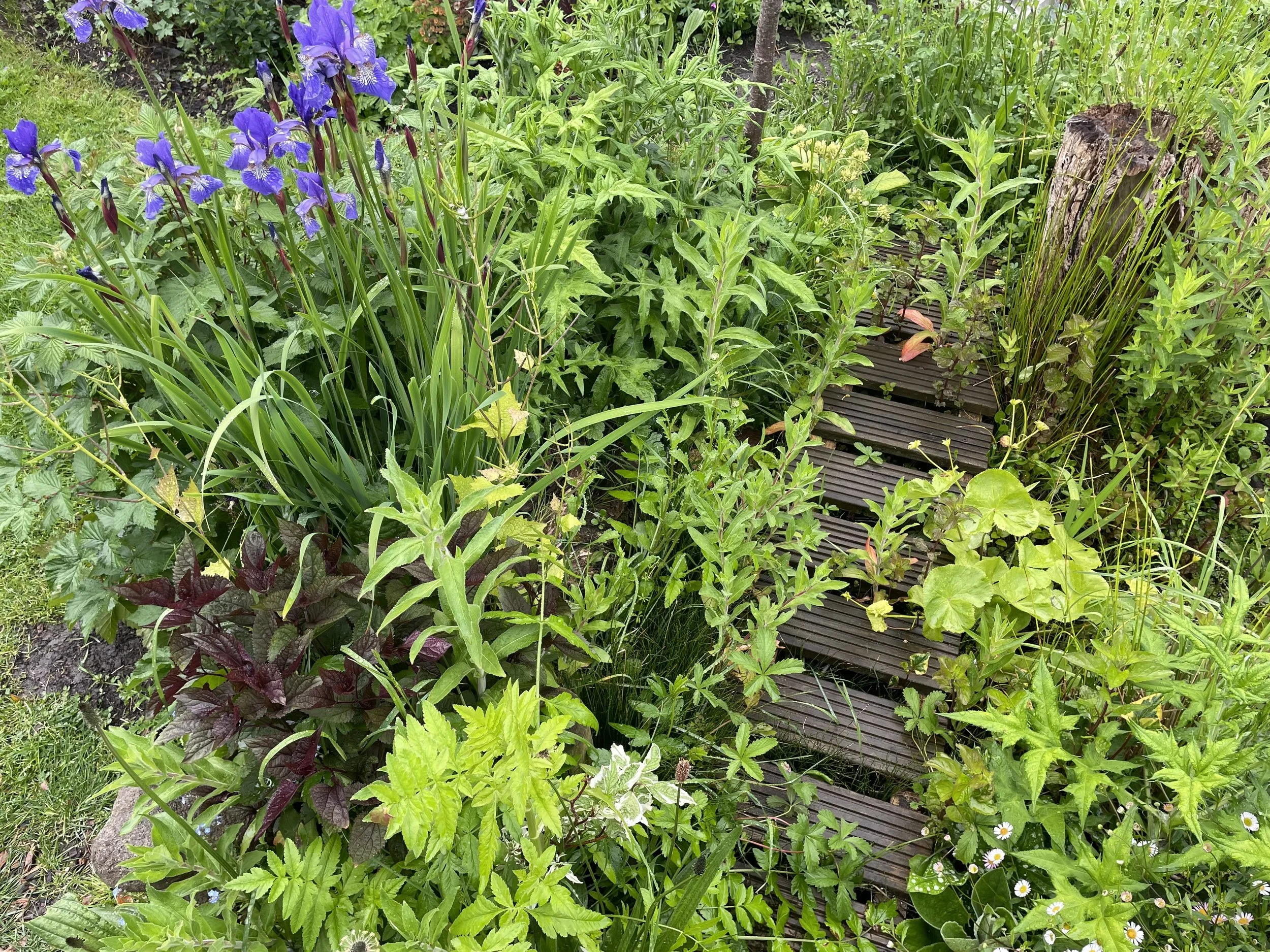
Why Choose a bog garden?
If you don't have the space or the safety profile for a deep garden pond, a bog garden is the next best thing. It provides the essential moisture that many of our most vulnerable species need to survive.
It supports marginal plants that cannot survive in normal garden soil or deep water.
Because there is no deep standing water, it is a safe environment for young amphibians and small mammals to navigate.
It acts as a cool, damp sanctuary for garden visitors during increasingly hot UK summers.
Key features & benefits
Attracts an array of semi-aquatic wildlife, including frogs, toads, and newts, as well as dragonflies and damselflies.
The high concentration of insects attracted to the damp soil makes bog gardens a prime hunting ground for bats and birds.
It can be built as a natural extension to an existing pond or as a standalone feature in any size garden, even in a small garden planter.
Native bog plants like purple loosestrife are famous for attracting honey bees and Red Admiral butterflies.
| Native Species | Why Plant It? |
|---|---|
| Marsh Marigold | Provides a vital early-spring nectar source for honey bees and emerging pollinators with its bright golden flowers. |
| Purple Loosestrife | A magnet for bees and Red Admiral butterflies. Known for its striking tall purple flower spikes. |
| Yellow Iris | Offers great structural cover and serves as an ideal perching site for dragonflies and damselflies. |
| Bog Bean | Features beautiful fringed flowers and provides a safe "landing strip" or exit route for amphibians and insects. |
| Water Mint | Highly fragrant foliage that attracts a wide variety of hoverflies and butterflies in late summer. |
| Bulrush | Essential for birds seeking nesting materials and provides sturdy winter shelter for beneficial insects. |
| Wildlife Rating | 🐞🐞🐞🐞 (4/5) |
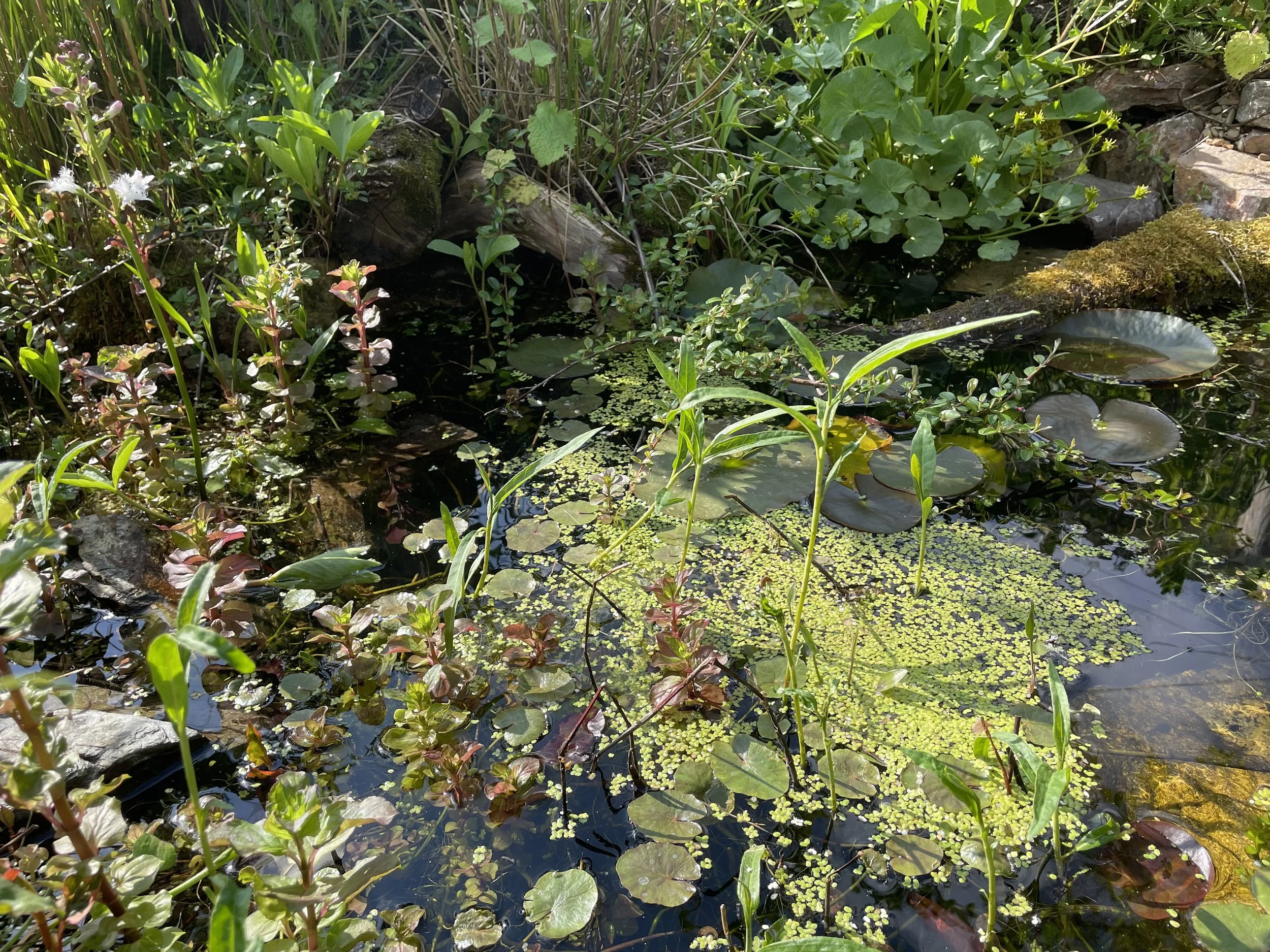
A wildlife pond is a permanent water source that serves as the single most important life source for plants and animals in your outdoor space. Whether it is a small bowl, a bird bath, or a large lake, adding water is the most transformative step a gardener can take to support local biodiversity.
A well-constructed wildlife pond mimics natural freshwater ecosystems, featuring varying depths and native vegetation to support a complex web of life.
The Wildlife Pond
| Native Species | Type | Why Plant It? |
|---|---|---|
| Marsh Marigold | Marginal | A spring specialist for shallow edges. Its early nectar is vital for honey bees and emerging pollinators. |
| White Water Lily | Deep-water | Large floating leaves provide essential shade to reduce algae and offer resting spots for dragonflies. |
| Hornwort | Oxygenator | Vital for water health. Provides a submerged "forest" for frogspawn and protection for newt larvae. |
| Water Forget-me-not | Marginal | Beautiful blue flowers. Newts frequently use the foliage to wrap and hide their eggs. |
| Water Crowfoot | Floating | Produces dainty white surface flowers and offers excellent cover for aquatic insects. |
| Lesser Spearwort | Marginal | A shallow-water buttercup that is a magnet for hoverflies and beneficial beetles. |
| Wildlife Rating | 🐞🐞🐞🐞🐞 (5/5) |
Why choose a wildlife pond?
Building a pond is widely considered the best thing a gardener can do to attract a wide variety of wildlife.
It provides a diverse habitat that transforms the appearance of your garden while offering immediate results; wildlife often arrives the moment construction and planting are finished.
It is a unique feature that allows you to observe aquatic life and the frantic, fascinating drama of nature right from your own garden.
Key features & benefits
It is the most diverse habitat you can add to a garden, supporting birds, mammals, insects, and amphibians.
Insects like damselflies use it to reproduce, while amphibians like frogs and newts rely on it to feed, shelter, hibernate, and lay spawn.
Incorporating sloping sides and shallow areas allows birds and mammals to drink and bathe without the threat of drowning.
Different water levels allow for a variety of native plants, including marginals like marsh marigold, floating oxygenators like hornwort, and deep-water specialists like white-water lilies.
Pond edges can be finished with additional habitats like log piles or bog gardens to further increase diversity.
A nectar border is a dedicated planting area designed to provide a vital food source for a wide variety of pollinating insects.
These borders can range in size from large garden beds to small window boxes, acting as essential pit stops for insects in search of food or nesting sites. By selecting a diverse range of flowering plants, you create an ongoing supply of food that supports the natural pollination process necessary for the production of many seeds, nuts, fruits, and vegetables.
The Nectar Border
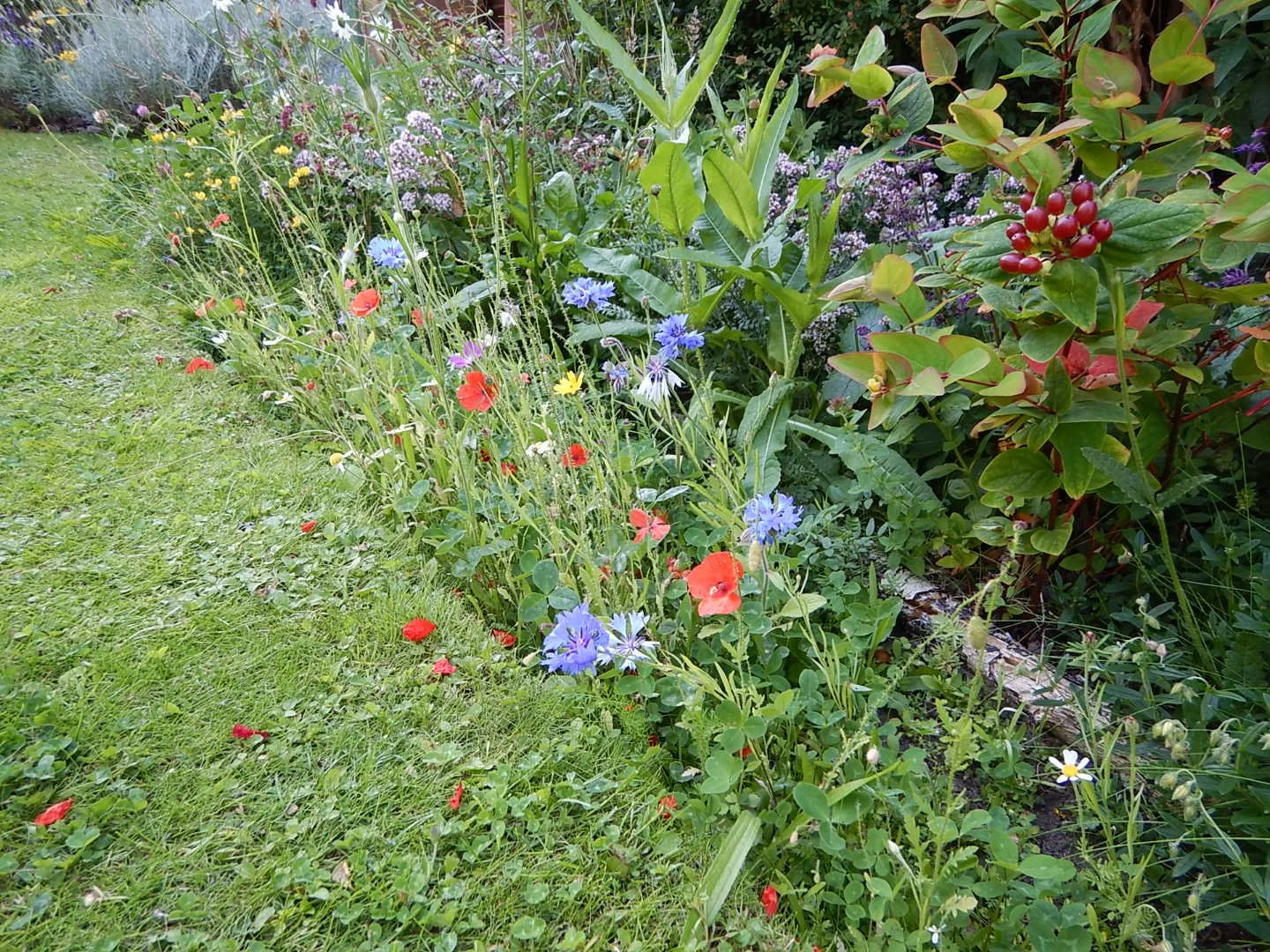
Why Choose a nectar border?
Choosing to plant a nectar border is a powerful way to combat the severe decline of UK insect populations. Significant loss of natural habitats, such as woodlands and hedgerows, due to industrial and residential development has decimated insect numbers.
Even planting a small number of different species can have a measurable positive effect on local insect populations.
Just as humans require local grocery stores, pollinators like bees, butterflies, and hoverflies cannot survive without reliable local sources of pollen and nectar.
These borders are suitable for any space, no matter how large or small.
Key features & benefits
By choosing flowers with different shapes, you can attract a broader array of species; for example, mat-forming flowers like achillea are preferred by hoverflies, while large bell-shaped flowers like foxglove attract long-tongued bumblebees.
Selecting plants that bloom at different times of the year ensures a continuous food source for pollinators throughout the seasons.
Nectar borders are generally easy to maintain, requiring only low-level care such as dead-heading and a spring cut-back.
You can choose highly effective plants that flower repeatedly throughout the season to maximise the impact of a single plant.
Depending on your plant selection and the length of the flowering period, these borders earn a high wildlife rating of 3-4.
| Plant Species | Flowering Type | Why Plant It? |
|---|---|---|
| Achillea (Yarrow) | Mat-forming | Flat flower heads provide the perfect landing platform for hoverflies and beneficial wasps. |
| Foxglove | Bell-shaped | Deep, tubular flowers designed specifically for long-tongued bumblebees. |
| Erysimum ‘Bowles’s Mauve’ | Repeat-flowerer | An exceptional perennial wallflower that blooms repeatedly, offering a continuous "pit stop" for insects. |
| Lavender | Tubular | Highly fragrant and nectar-rich; a staple for honey bees and butterflies throughout the summer. |
| Scabious | Pin-cushion | Often covered in butterflies, this plant is a top producer of high-quality nectar. |
| Sedum (Ice Plant) | Late-season | Vital for late-season pollinators, helping butterflies stock up on energy before winter. |
| Wildlife Rating | 🐞🐞🐞 - 🐞🐞🐞🐞 (3-4/5) |
The Wildflower Meadow
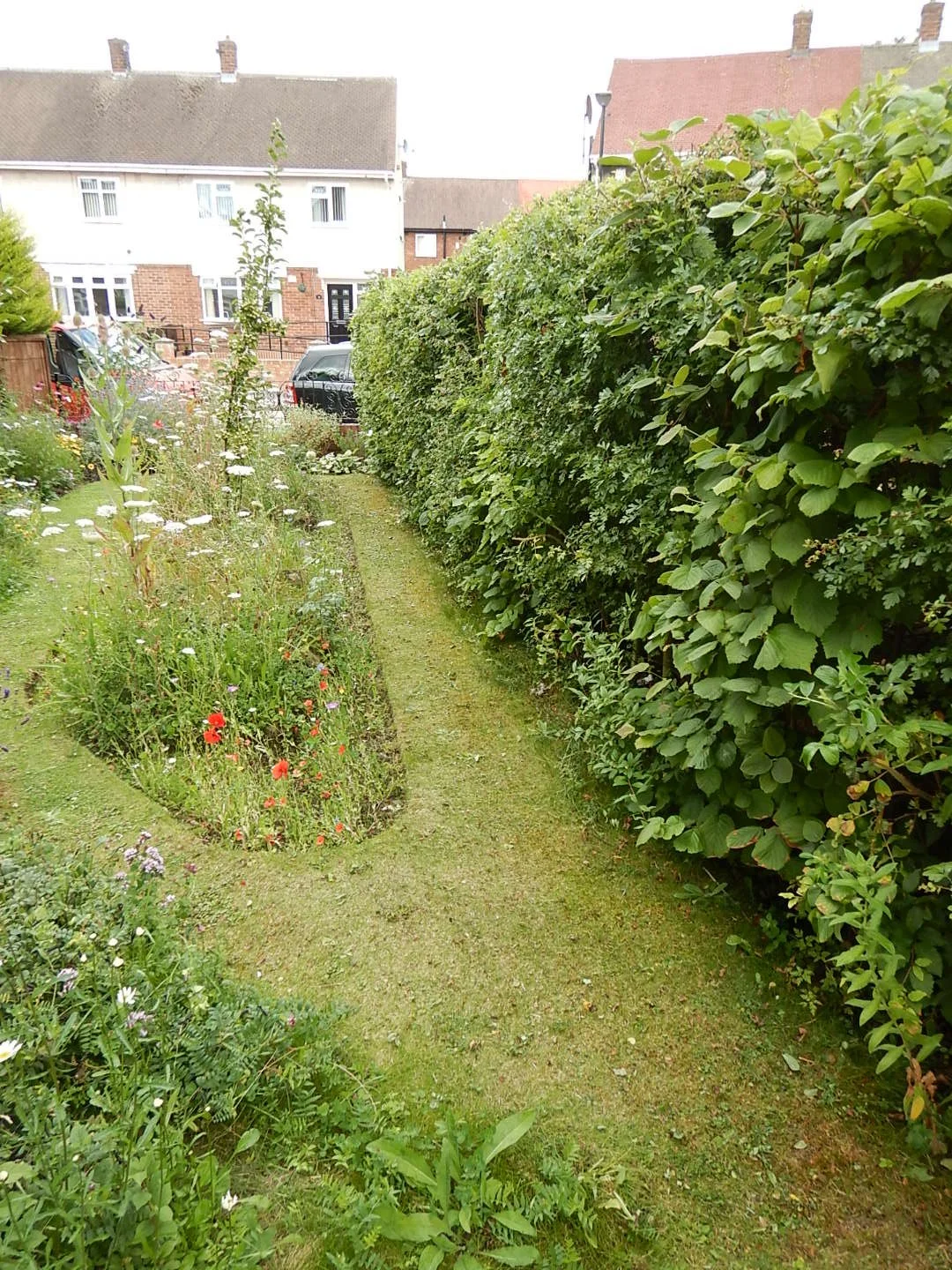
A wildflower meadow is a densely populated habitat composed of native grasses and flowering plants. While traditional wildflower meadows have seen a 97% decline over the last 60 years due to farmland conversion and development, they can be successfully recreated on a smaller scale in any garden.
Whether established in a window box, a plant pot, or as a dedicated section of a larger lawn, these meadows provide essential microhabitats across multiple layers of vegetation.
Why choose a wildflower meadow?
Choosing to establish even a small wildflower meadow can make a significant difference to local biodiversity.
Converting part of a standard lawn into a meadow can increase the number of animal species visiting a garden tenfold.
Meadows are among the most insect-rich habitats available; for example, five acres of meadow can support up to one ton of insects.
The abundance of insects provides a vital food source for birds, mammals, and amphibians.
Once successfully established, these areas are easy to maintain, typically requiring only one or two cuts per year.
Key features & benefits
Meadows support life across three distinct levels: the ground layer (spiders and beetles), the middle layer (ladybirds and grasshoppers), and the top layer (bees, butterflies, and hoverflies).
Because they are so rich in prey, meadows serve as essential hunting grounds for predators such as Kestrels and Weasels.
Meadows can be created using several methods, including wildflower seed mixes, ready-made wildflower turf, or introducing plug plants into an existing lawn.
Beyond their high wildlife value, meadows offer stunning seasonal beauty and can be enhanced with meandering pathways for close-up observation.
By allowing plants to mature and self-seed, the meadow can naturally return year after year.
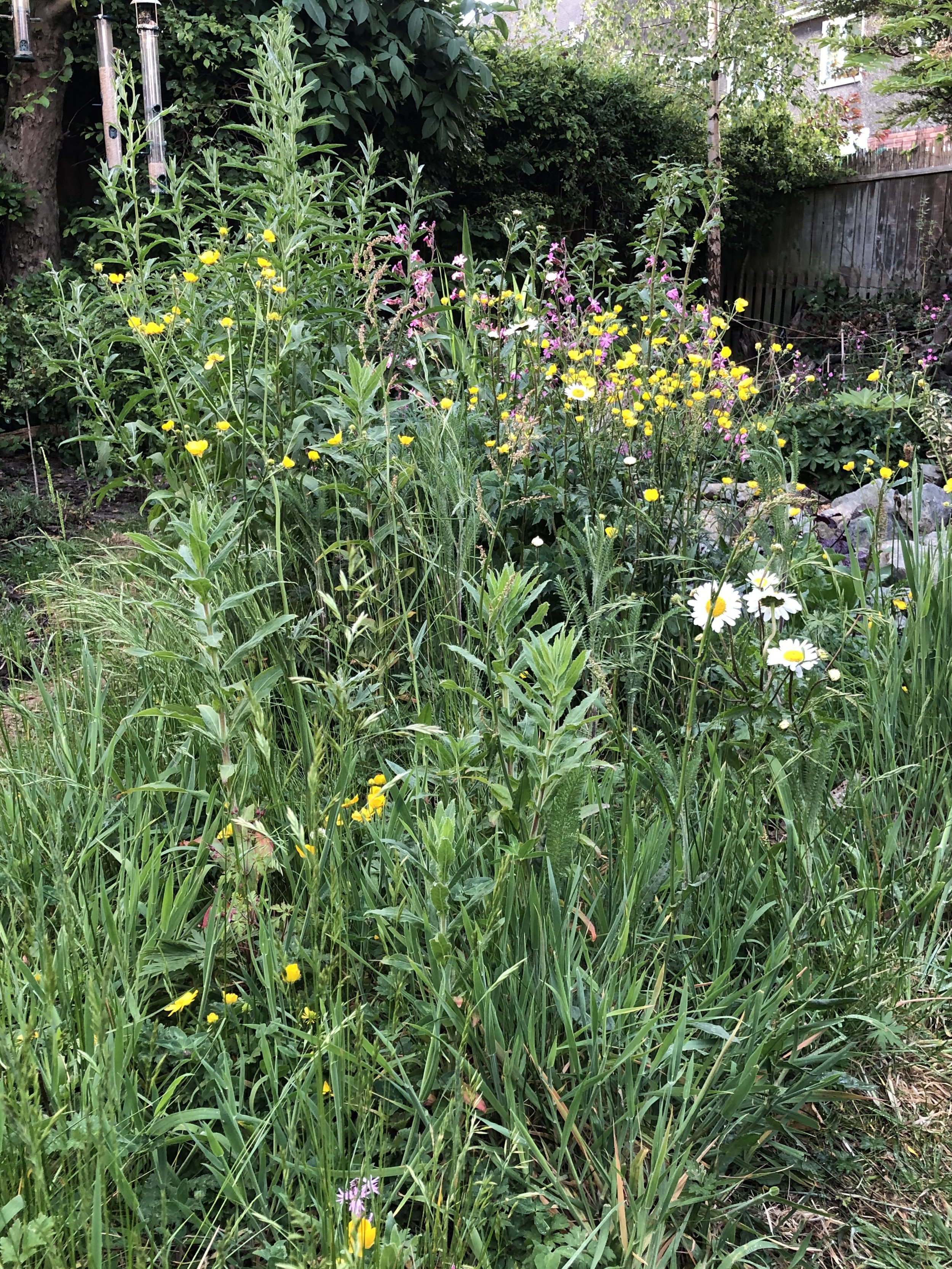
| Native Species | Why Plant It? |
|---|---|
| Yellow Rattle | The 'Meadow Maker'. It suppresses vigorous grasses, allowing other wildflowers to establish and thrive. |
| Oxeye Daisy | An iconic meadow flower that provides a broad landing platform for a vast array of pollinating insects. |
| Knapweed | One of the best nectar-producing plants in the UK; a huge favorite for bees and butterflies. |
| Red Clover | Vital for soil health and a primary food source for many species of bumblebees. |
| Wild Carrot | Attracts beneficial hoverflies and tiny wasps that provide natural pest control for the rest of your garden. |
| Bird’s-foot Trefoil | An essential caterpillar food plant for the Common Blue butterfly and a high-nectar flower. |
| Field Scabious | Provides a long flowering season, acting as a reliable 'fuel station' for moths and butterflies. |
| Fine Grasses | Native grasses provide the essential 'understorey' habitat for spiders, ladybirds, and grasshoppers. |
| Wildlife Rating | 🐞🐞🐞🐞 (4/5) |