Professional planning, creation, and construction of thriving ecosystems in North Somerset.
Native Habitat Creation & Development
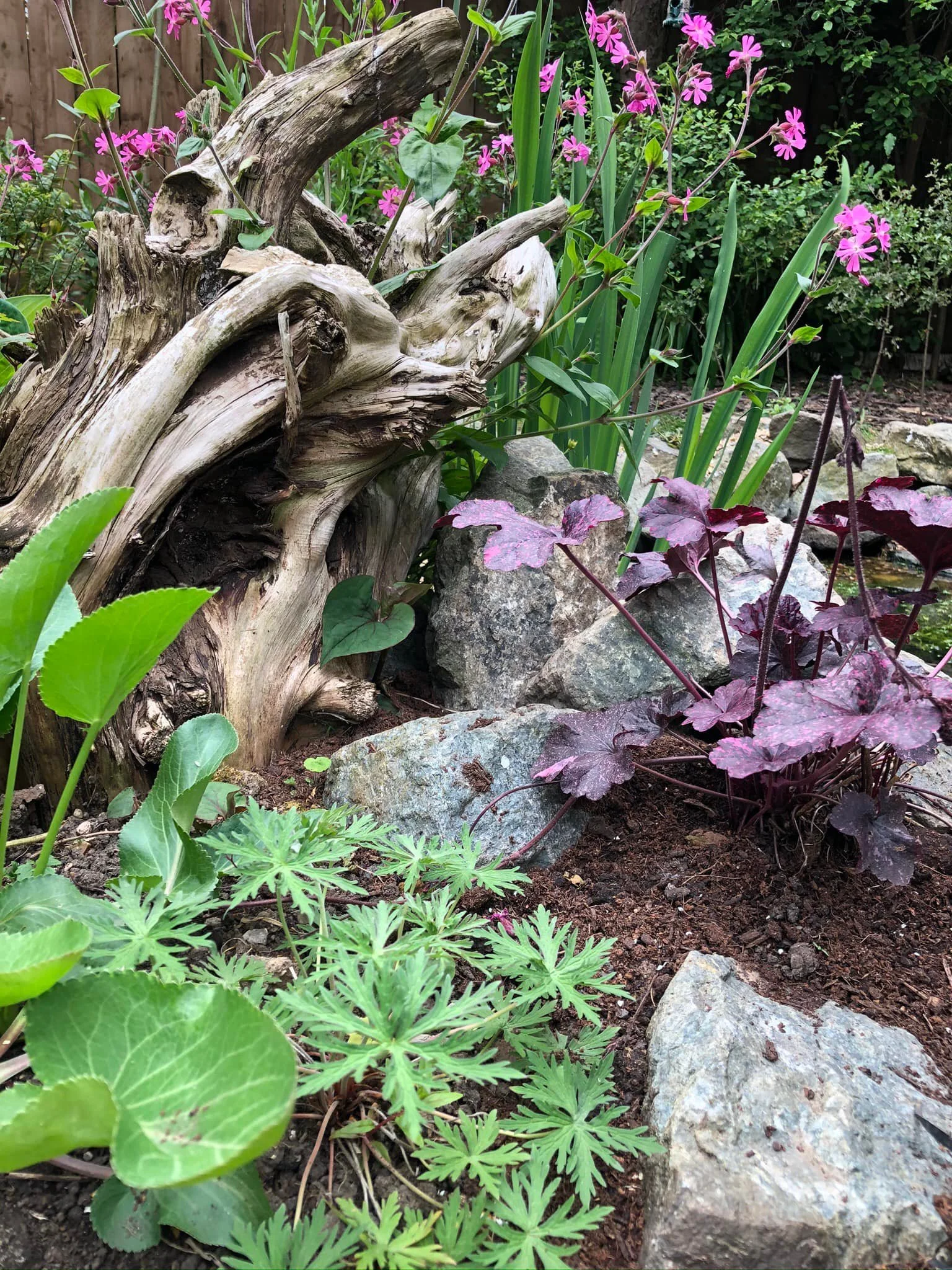
Restore your local ecosystem by installing diverse habitats tailored to your soil’s unique profile. From establishing perennial wildflower meadows that thrive without fertilisers to planting mixed-species native hedgerows, our approach prioritises nature-led recovery.
By focusing on indigenous flora such as Ox-eye daisies, Yellow Rattle, and Hawthorn, we create vital corridors for fragmented wildlife populations. These designs ensure your outdoor space provides year-round food sources and nesting sites for bees, butterflies, and declining bird species.
Wildlife Pond & Wetland Installation
Restore your local ecosystem by installing diverse habitats tailored to your soil’s unique profile. From establishing perennial wildflower meadows that thrive without fertilisers to planting mixed-species native hedgerows, our approach prioritises nature-led recovery.
By focusing on indigenous flora such as Ox-eye daisies, Yellow Rattle, and Hawthorn, we create vital corridors for fragmented wildlife populations. These designs ensure your outdoor space provides year-round food sources and nesting sites for bees, butterflies, and declining bird species.
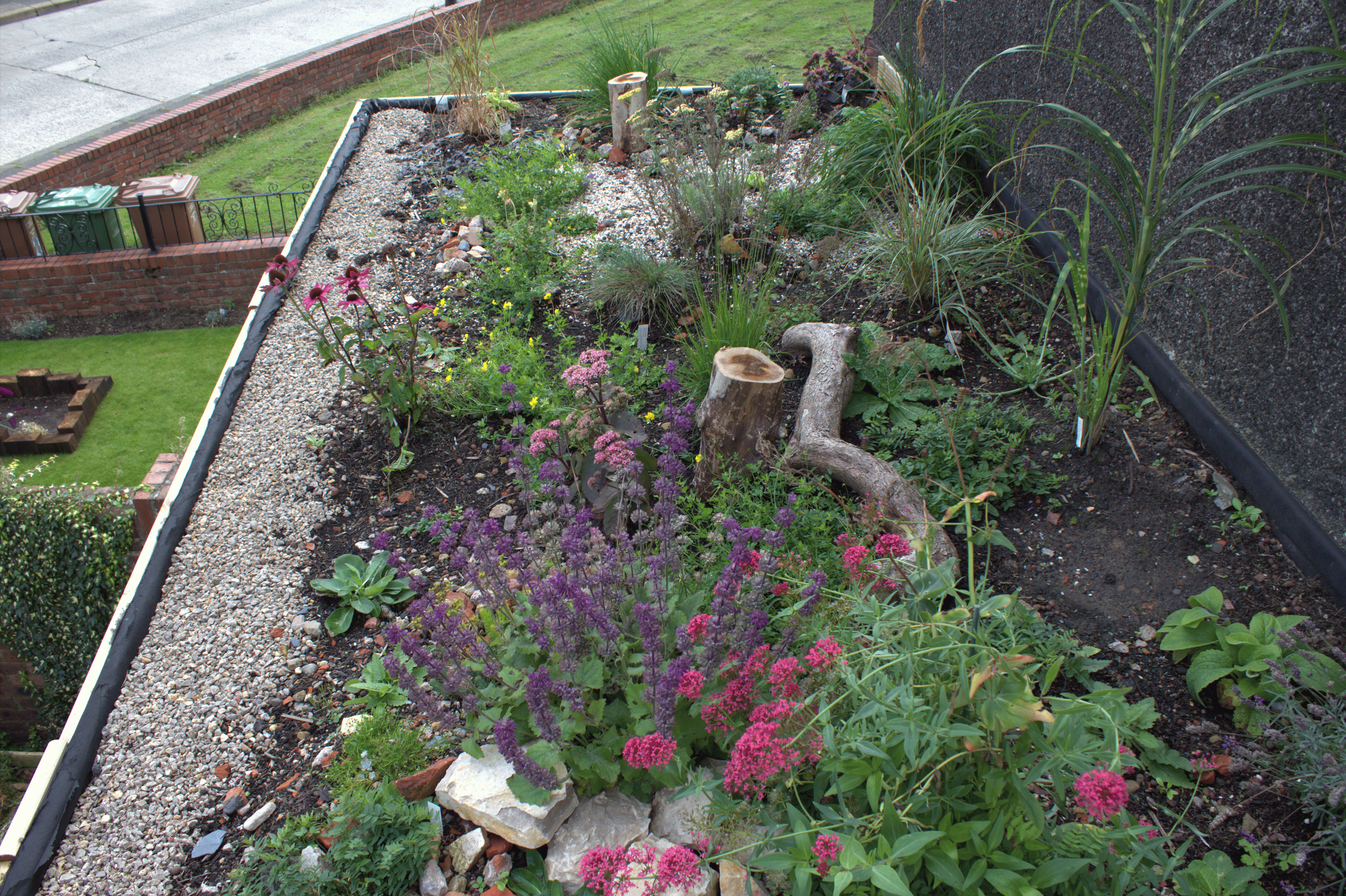
Urban Biodiversity & Small-Space Rewilding
You don’t need an estate to join the rewilding movement. My urban services focus on vertical biodiversity and container-based habitats that maximise every square inch of city space. Utilising specialised planting schemes that provide high-nectar rewards for urban bees and nesting sites for solitary bees and wasps.
By incorporating living walls and wildflower turf in small gardens, we help mitigate the urban heat island effect and improve local air quality, proving that even the smallest patch can become a thriving nature reserve.
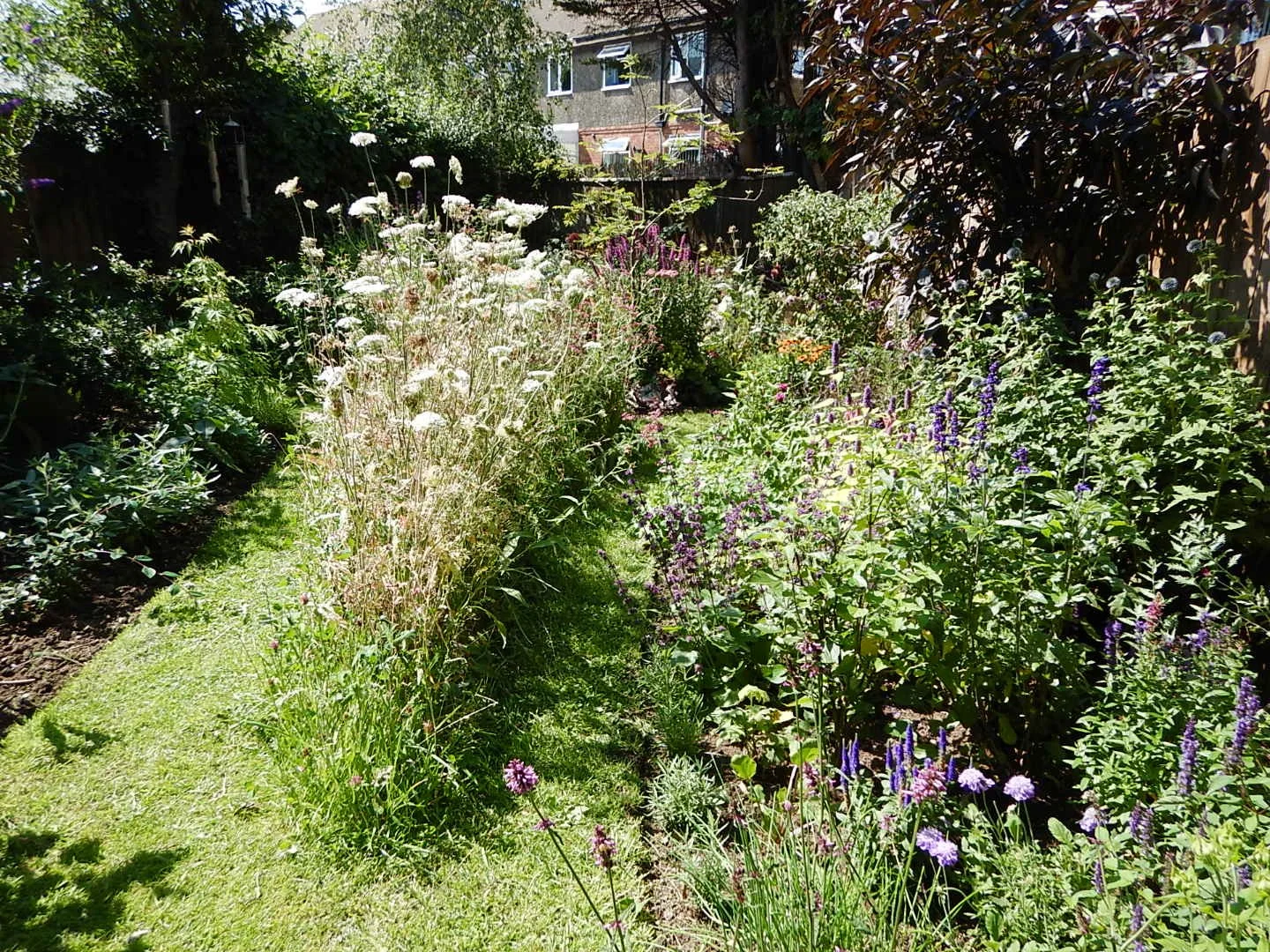
Sensory & Educational Wildlife Gardens
Accessible gardens that feature Hoggin pathways and raised beds designed for children, the elderly, and wheelchair users. They engage all five senses through nectar-rich borders, scented island plantings, and edible fruit and vegetable beds.
Educational elements include raised ponds for dipping and hands-on preparation areas for planting. Visitors can also enjoy willow tunnels, adventure play areas, and a tranquil water fountains.
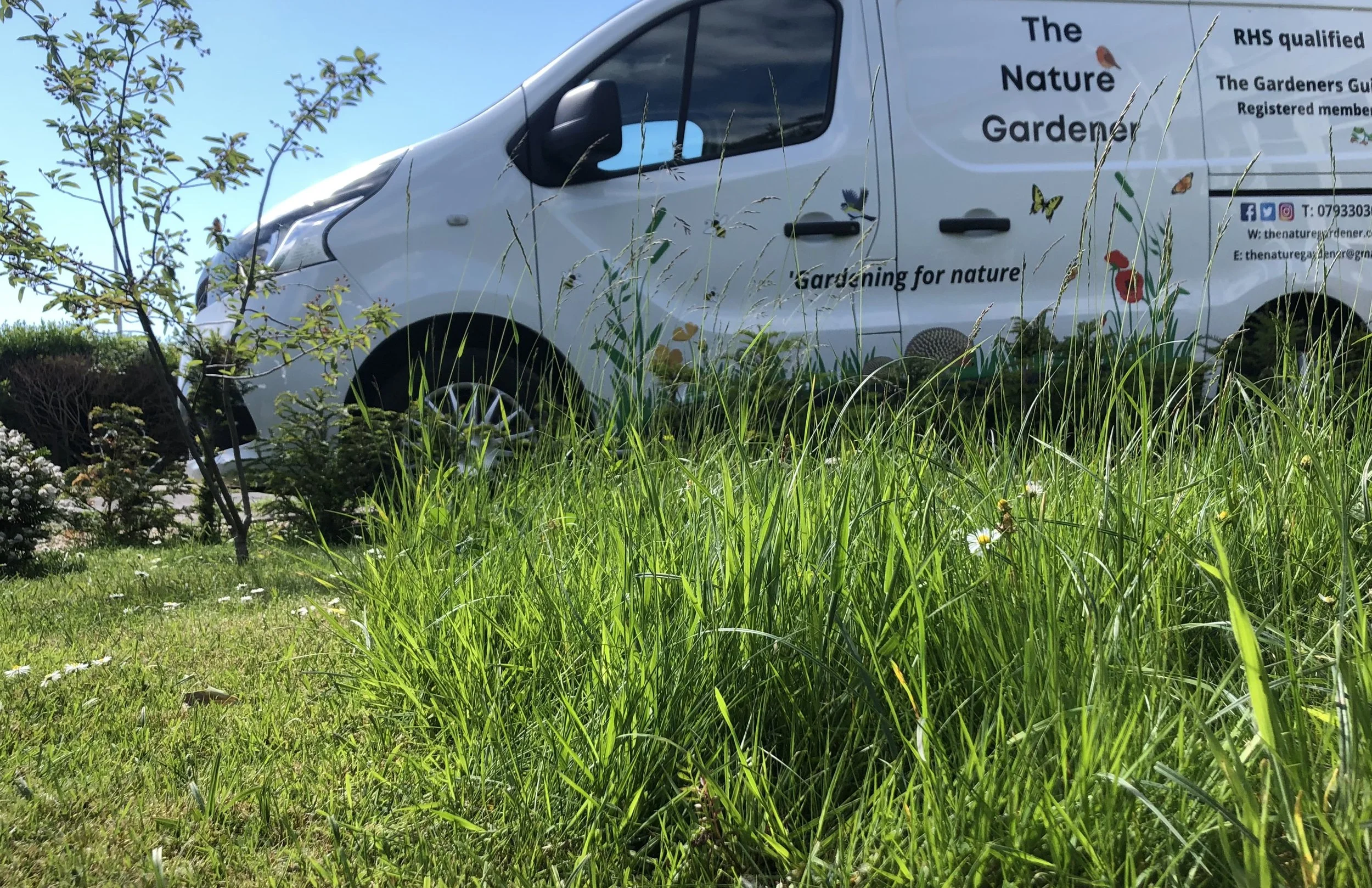
Rewilding Management & Ecological Maintenance
Traditional gardening often fights nature; my management service partners with it to move away from intensive tidying to embrace wild hospitality, using sensitive mowing regimes and organic soil restoration techniques.
By leaving seed heads for winter birds and overwintering invertebrates creating beetle banks and leaving areas undisturbed, we ensure your land remains a functional habitat year-round. I can provide seasonal interventions that guide natural succession, ensuring your rewilded space looks intentional and beautiful while allowing natural processes to take the lead.
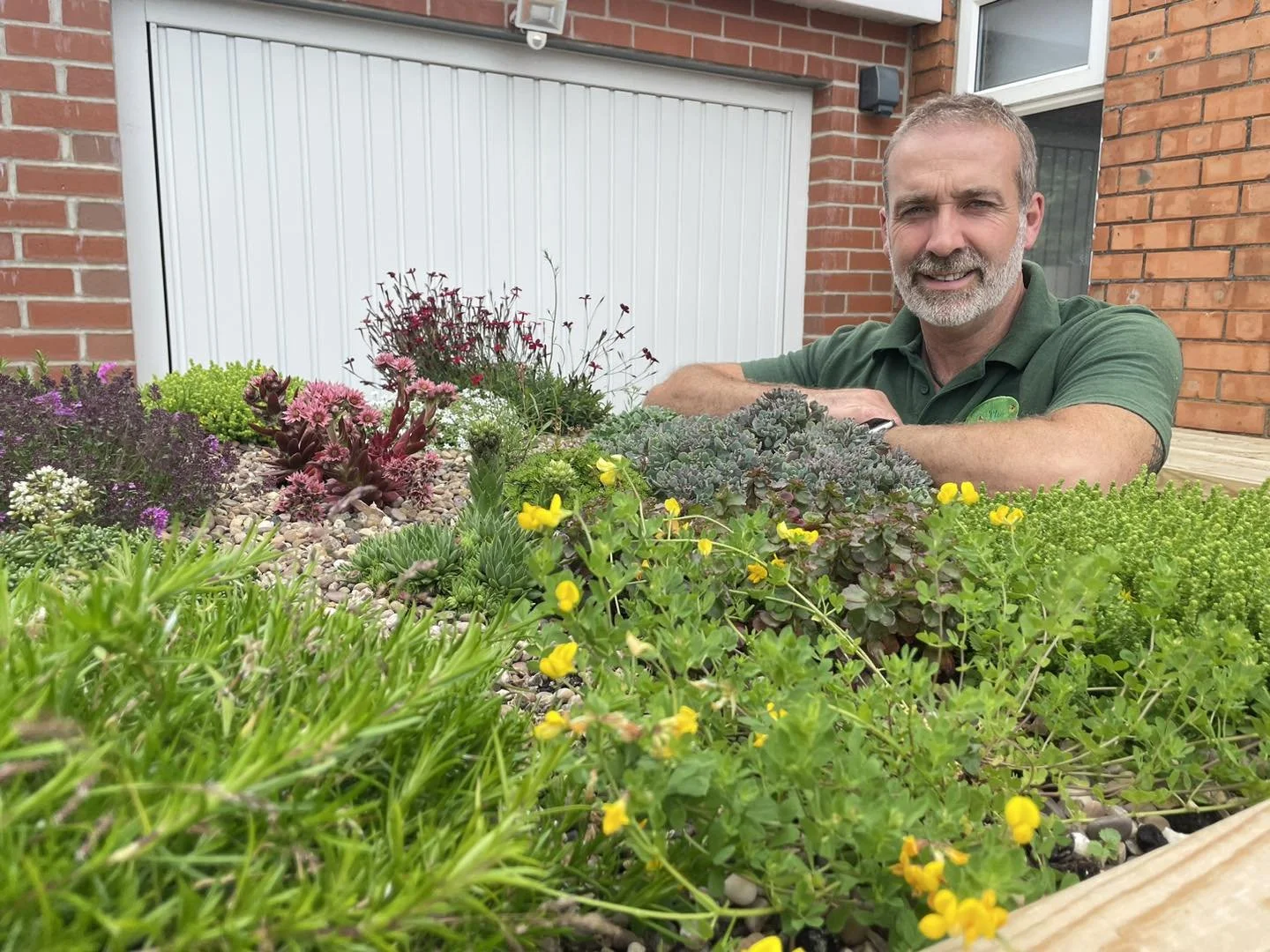
Ecological Consultation & Biodiversity Auditing
I provide you with a bespoke management plan that includes soil testing, habitat mapping, and species-specific recommendations. Whether you are looking to offset your carbon footprint or simply want to see more butterflies, these reports give you the scientific foundation needed to make informed, impactful decisions for your land’s future.
Living Proof: See What our Clients are Saying
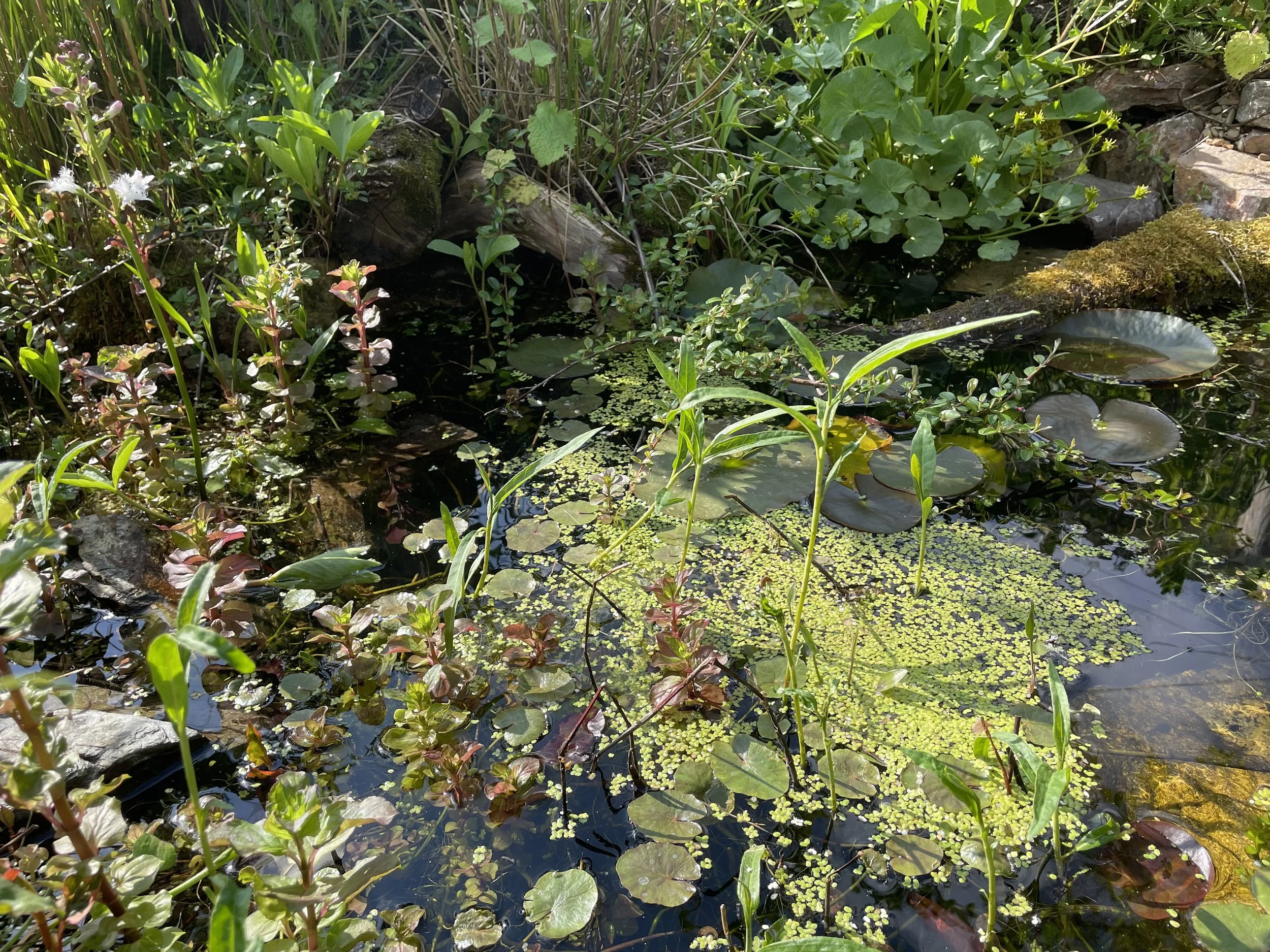
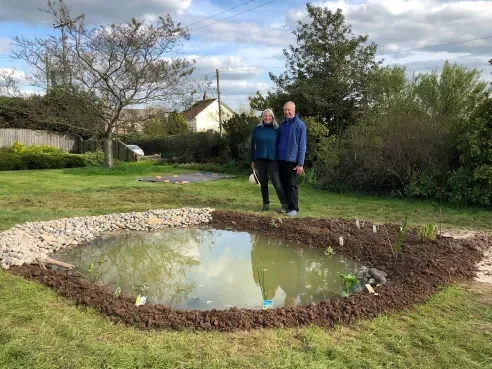
“Thank you Tony for making us our wildlife pond. Even before it was completed, we had creatures arriving which included a Water Skater and numerous birds bathing.
Your knowledge of pond management, the ponds cycle and planting has made us confident that all is set for the pond (and bog Garden) to develop into the Wildlife resource we wanted.”
— Alan and Joy, Somerset
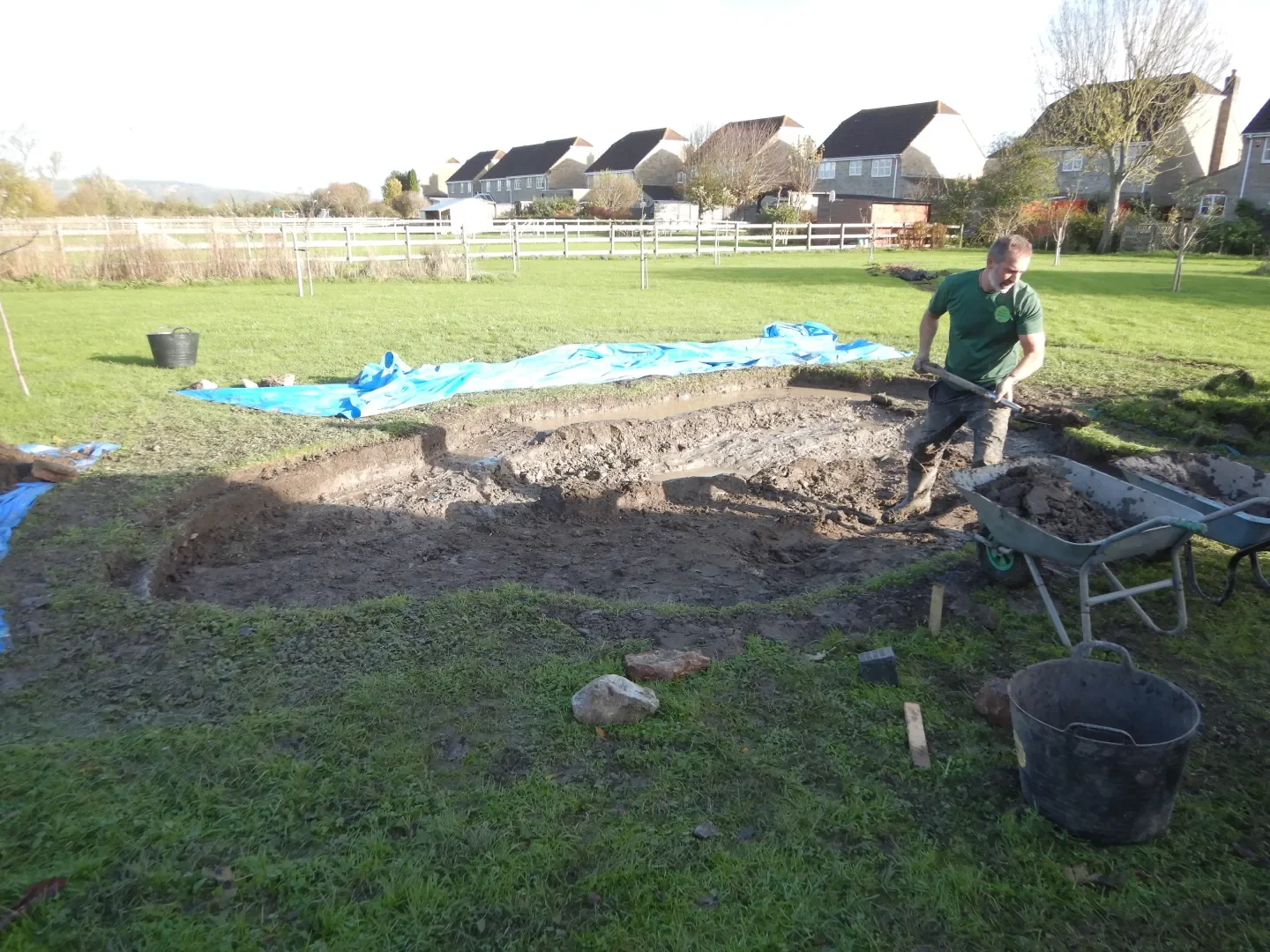
“After contact with Somerset Wildlife Trust, Tony visited our Orchard providing advice regarding improvements we could make to encourage more birds, bats, insects and amphibians.
He has now transformed the land by creating a large wildlife pond that will be planted up later this Spring, together with a long curved bird-friendly hedgerow. We are both looking forward to seeing and photographing more of our natural visitors in the coming seasons”
— Martin and Ann East Brent Village, Somerset
Frequently Asked Questions
-
Traditional landscapers often focus on hardscaping (paving, decking) and ornamental, non-native plants.
With a wild garden, every plant we select is chosen for its relationship with UK fauna and prioritises soil health, carbon sequestration, and natural water management over sterile aesthetics and chemical maintenance.
-
Absolutely not. We offer micro-rewilding, which focuses on high-density biodiversity. Even a 5-square-metre space can host a pocket pond or a vertical pollinator wall.
In urban areas, these small patches act as vital stepping stones for birds and insects traveling between larger parks.
-
This depends on your soil, whether it is clay or sandy, but powerhouse plants include:
Hawthorn which supports over 300 species.
Bird’s-foot Trefoil which provides food for 160 species of insects.
Silver Birch
I always check your soil during your consultation to ensure we select the right plants for the right place.
-
Your workload will actually decrease. Because wild gardening works with natural cycles, you won't be weeding or mowing weekly.
-
Yes, this is a core goal of our habitat building. By introducing deep-rooted native plants and rain gardens, we improve your land's ability to soak up heavy rainfall (preventing flooding) and retain moisture during UK heatwaves.
-
No, that is part of our service. During our initial site visit, we perform pH and texture tests to understand your land's baseline.
This ensures that your new habitat thrives without the need for artificial fertilisers or excessive watering.
-
We design for structural winter interest, while traditional gardens are cut back to bare earth, wild gardens leave seed heads, dried grasses, and hollow stems.
Not only do these provide essential overwintering sites for ladybirds and bees, but they also create a stunning, frosted architectural look.
-
Yes. In fact, it is often safer as we operate a 100% chemical-free policy. We avoid toxic pesticides and herbicides.
When designing for families, we select non-toxic native plants and can design discovery zones or safe water access so children can interact with nature safely and educationally.