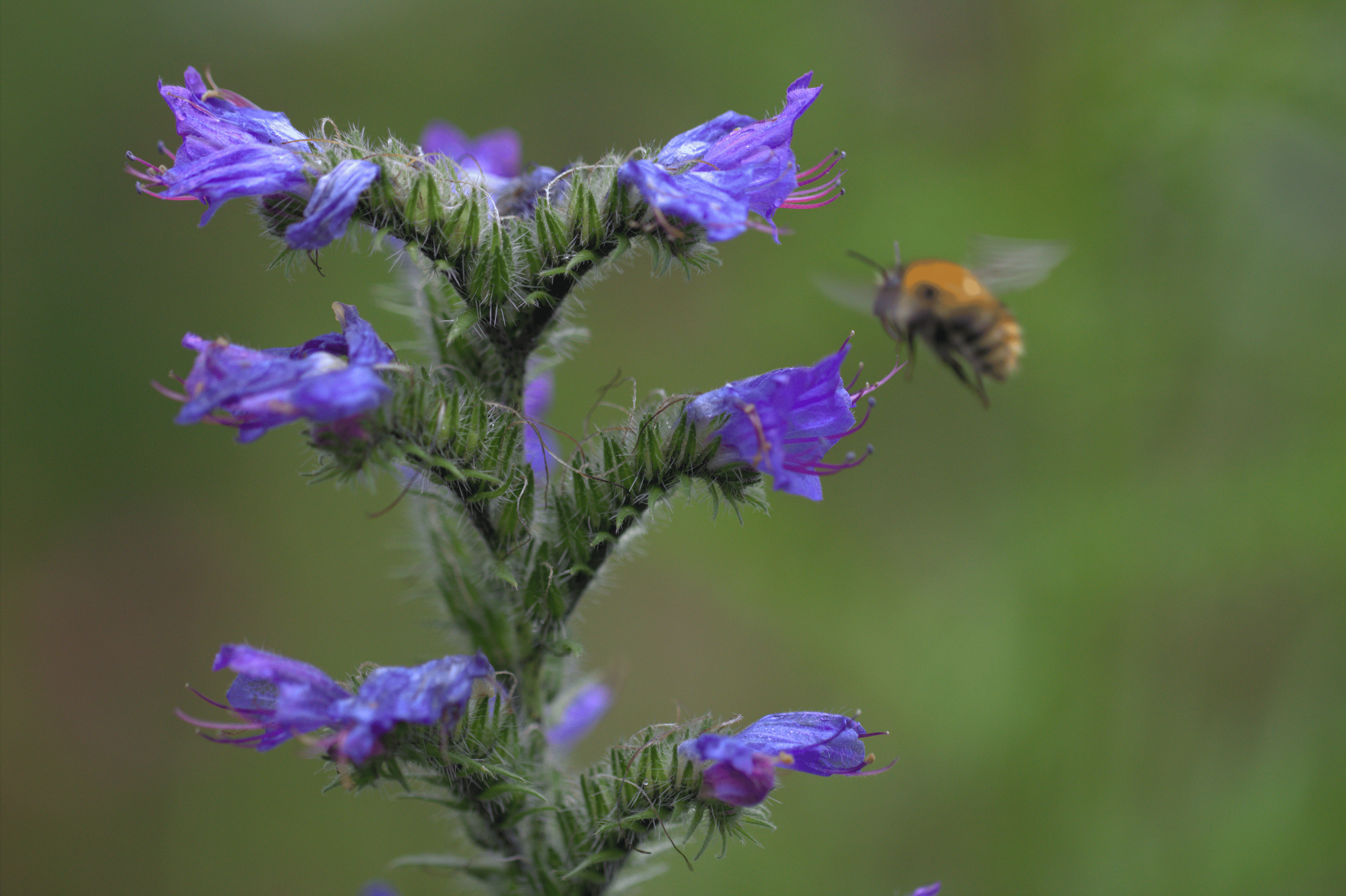
Bespoke wildlife garden design & rewilding services in Somerset
Transform your outdoor space into a thriving ecosystem that supports local biodiversity.

Biodiversity
A multitude of habitats attracts a wider variety of plants and animals for you to enjoy.
Sustainability
We focus on native plant gardening and avoiding harmful chemicals (like pesticides) and recycling natural resources.
Expertise
Led by Tony Watt, an RHS qualified professional and Gardeners Guild member with a lifelong passion for wildlife and conservation.
Wildlife gardening is the practice of designing and managing your outdoor space to provide food, water, and shelter for native species. It treats the garden as a miniature ecosystem rather than just a decorative display.
The goal isn't to let the garden become a mess, but to intentionally incorporate features like ponds, log piles, and native plants that support local biodiversity.
How we turn your space into a wildlife sanctuary
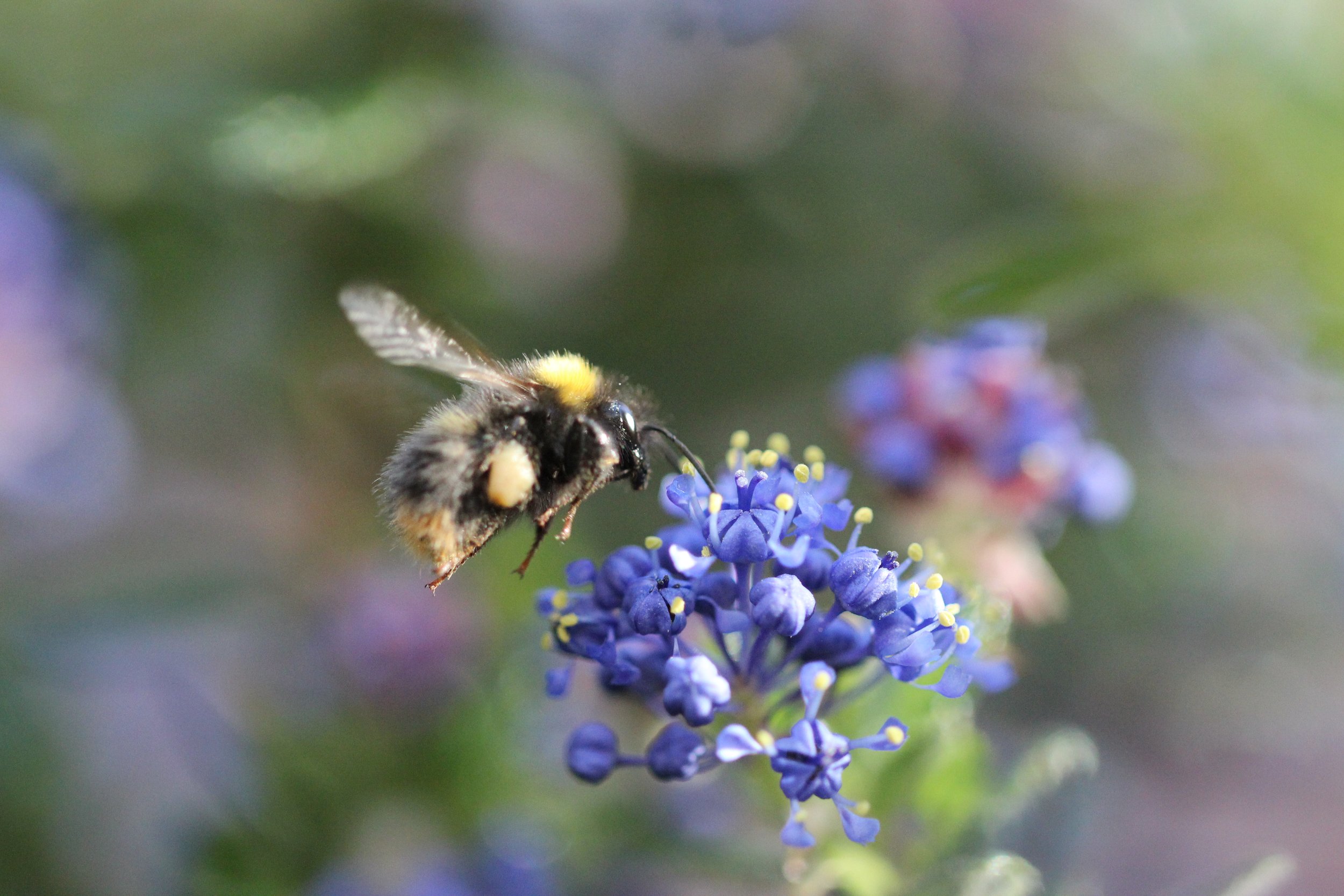
Native Habitat Creation & Development
Transform your land with wildflower meadows and native hedgerows designed to support local UK pollinators and birdlife.
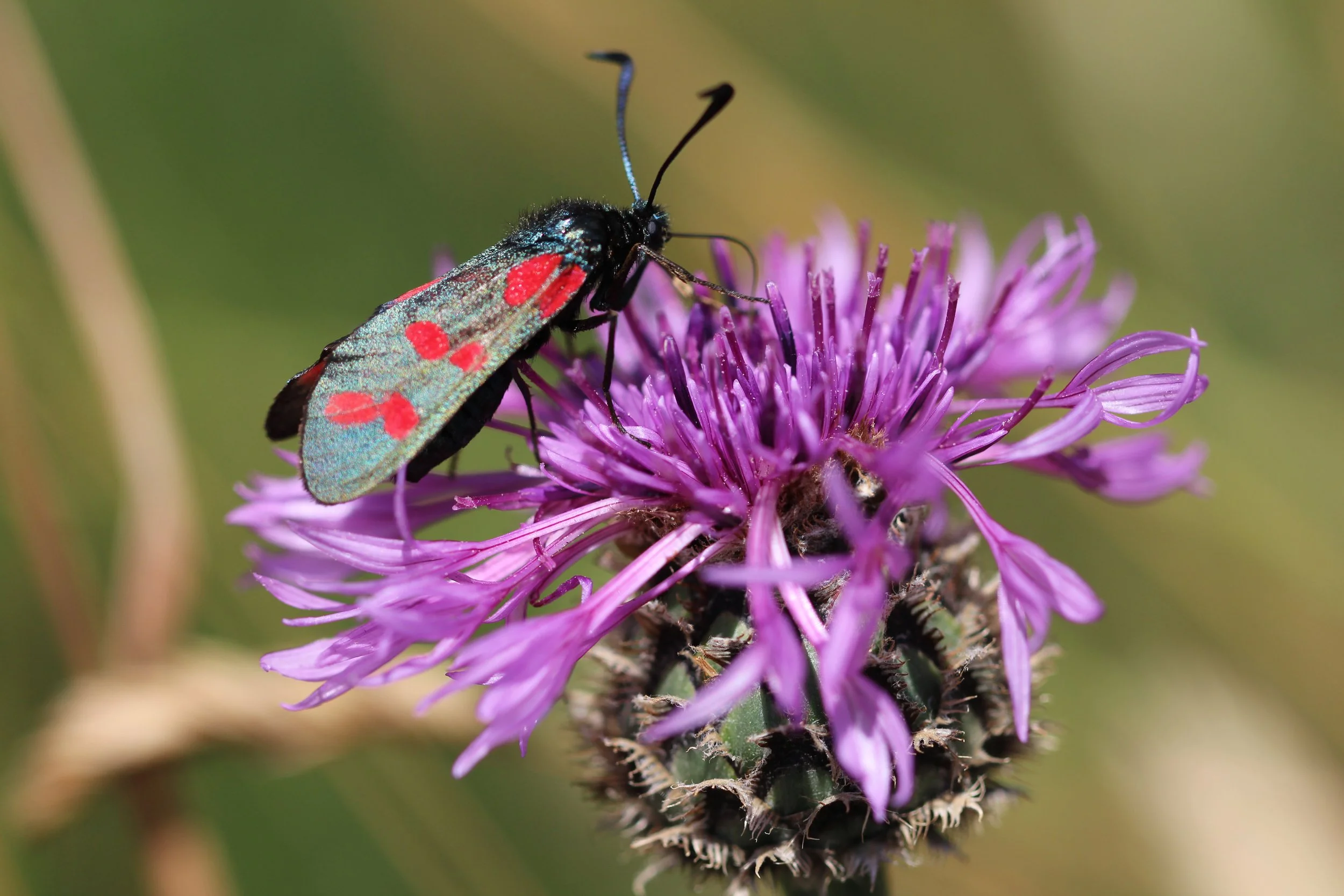
Accessible Sensory & Educational Gardens
Inclusive, educational gardens featuring interactive zones designed to engage all five human senses.
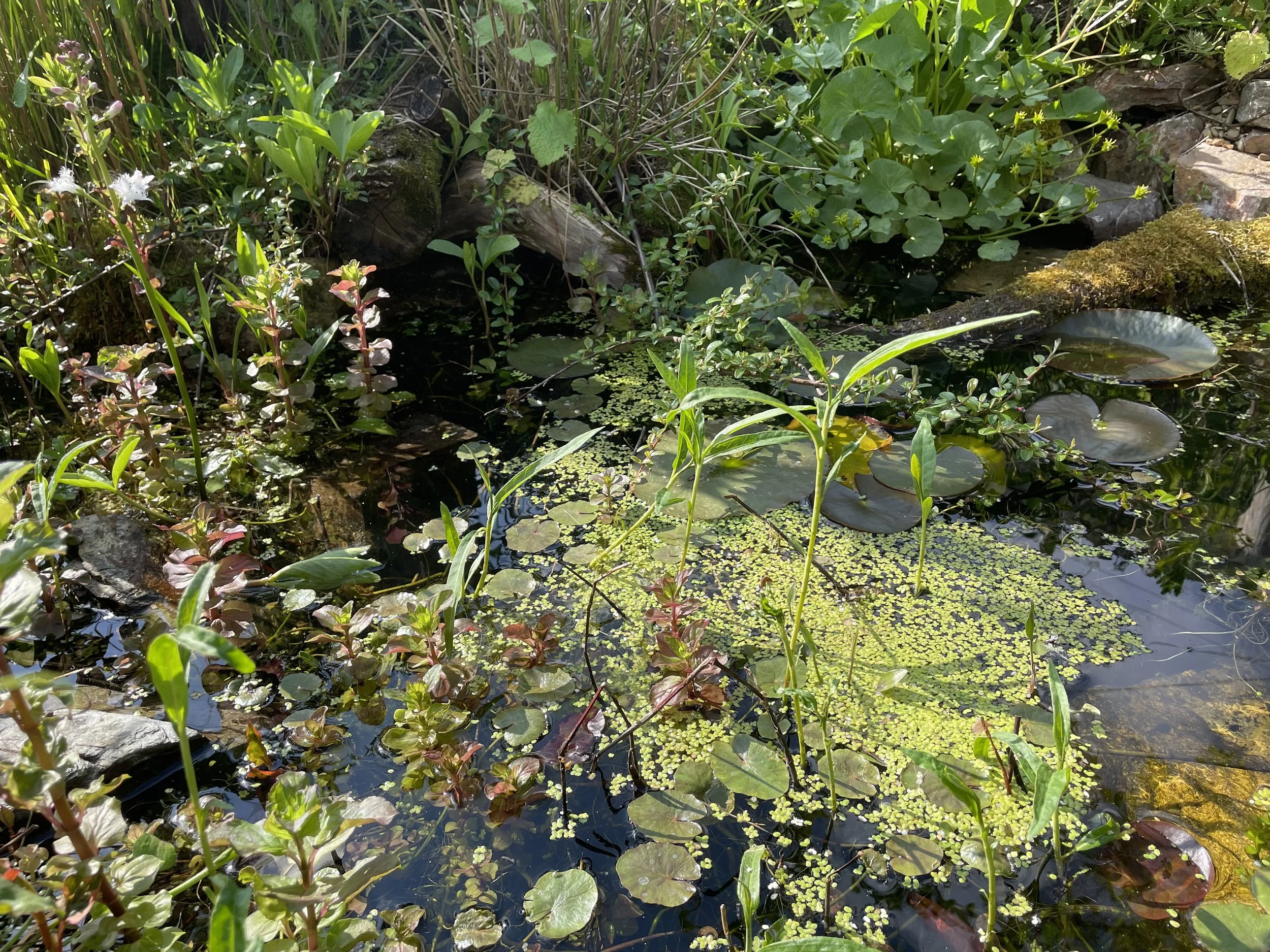
Wildlife Pond & Wetland Installation
Introduce a vital water source with a chemical-free wildlife pond designed for natural filtration and maximum biodiversity.
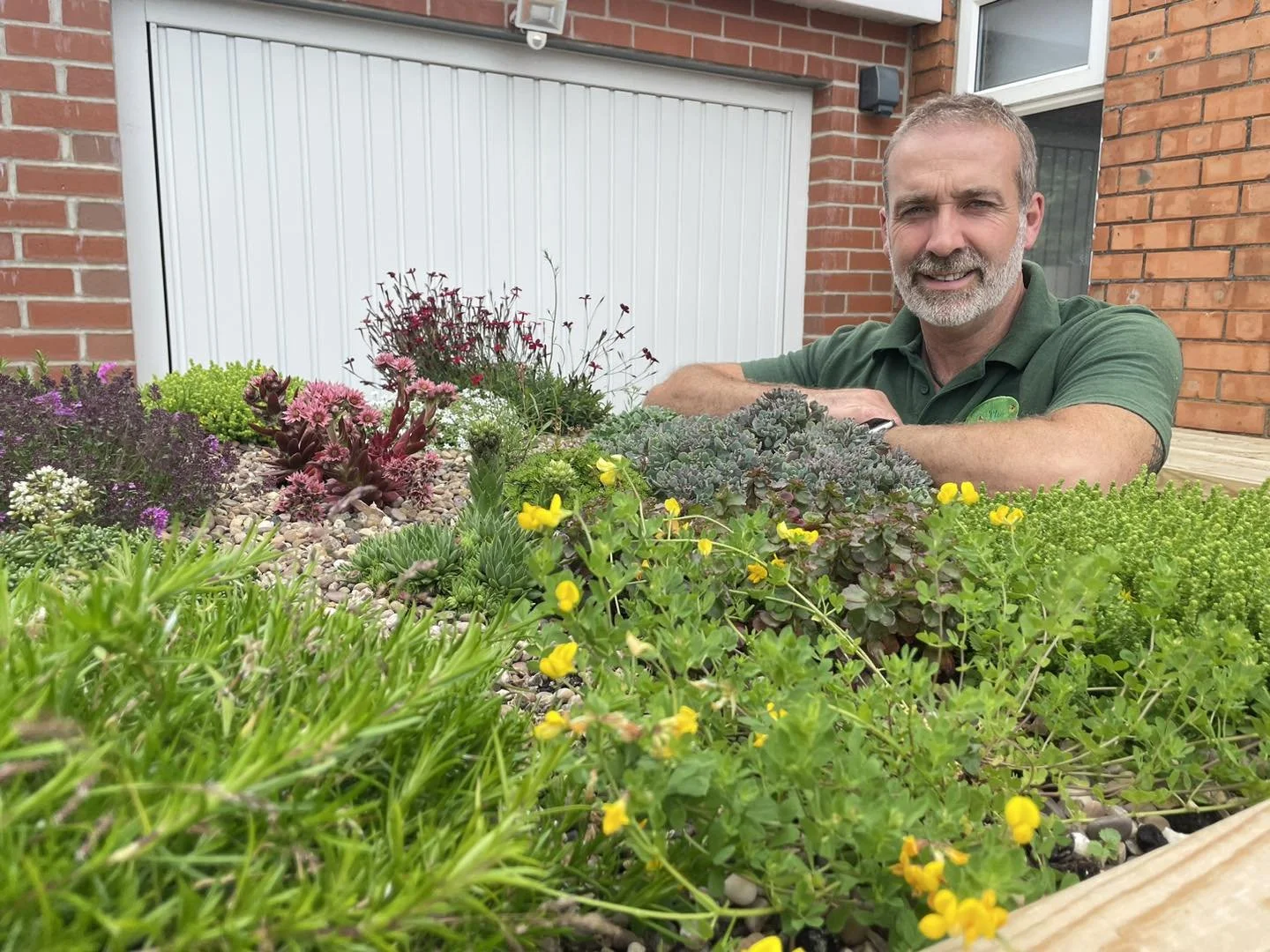
Rewilding Management & Ecological Maintenance
Chemical-free land management that works with the seasons to enhance natural succession and soil health.
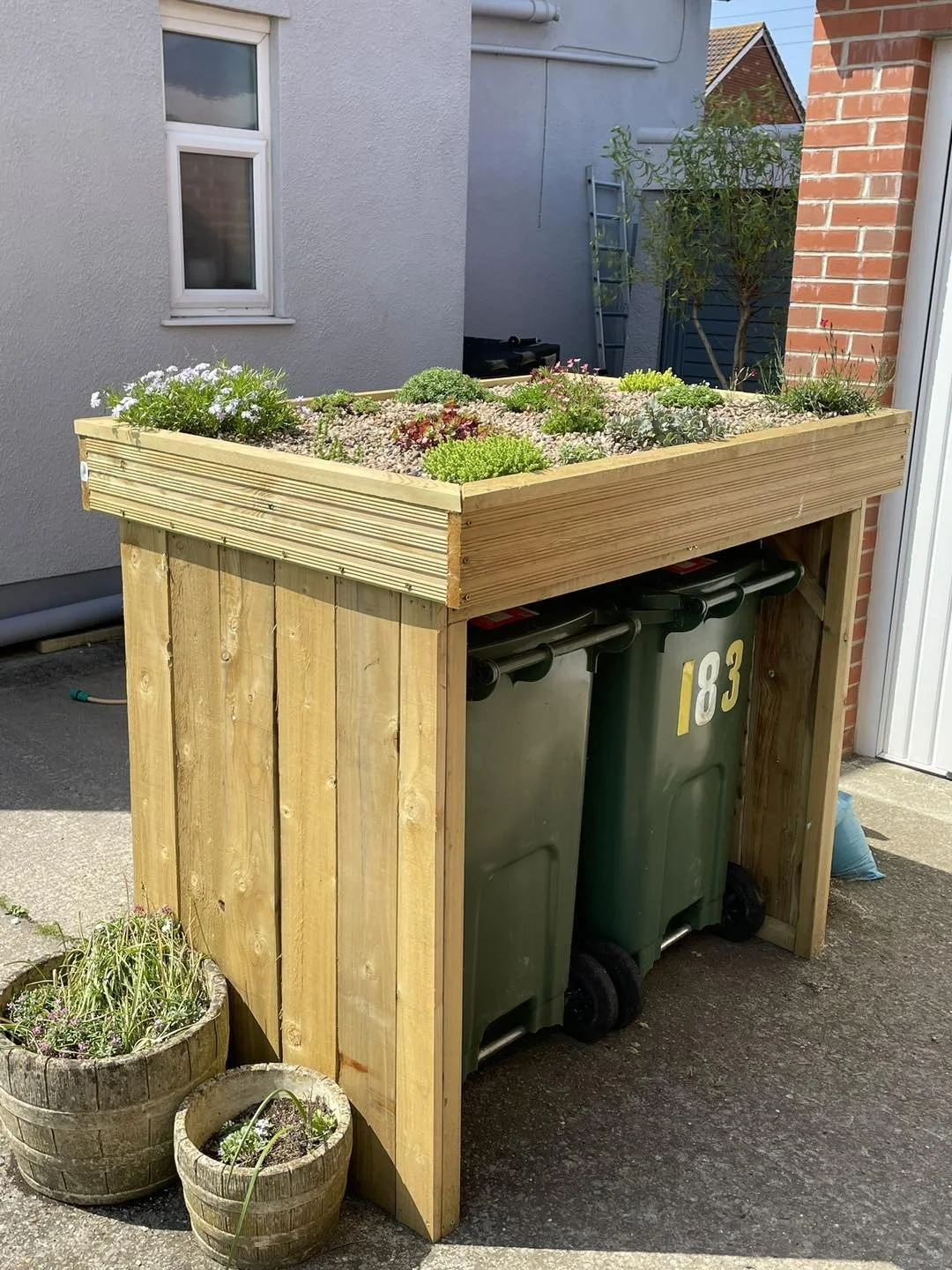
Urban Biodiversity & Small-Space Rewilding
High-impact ecological solutions for smaller spaces, including balcony planters, green walls, and pocket pollinator gardens.
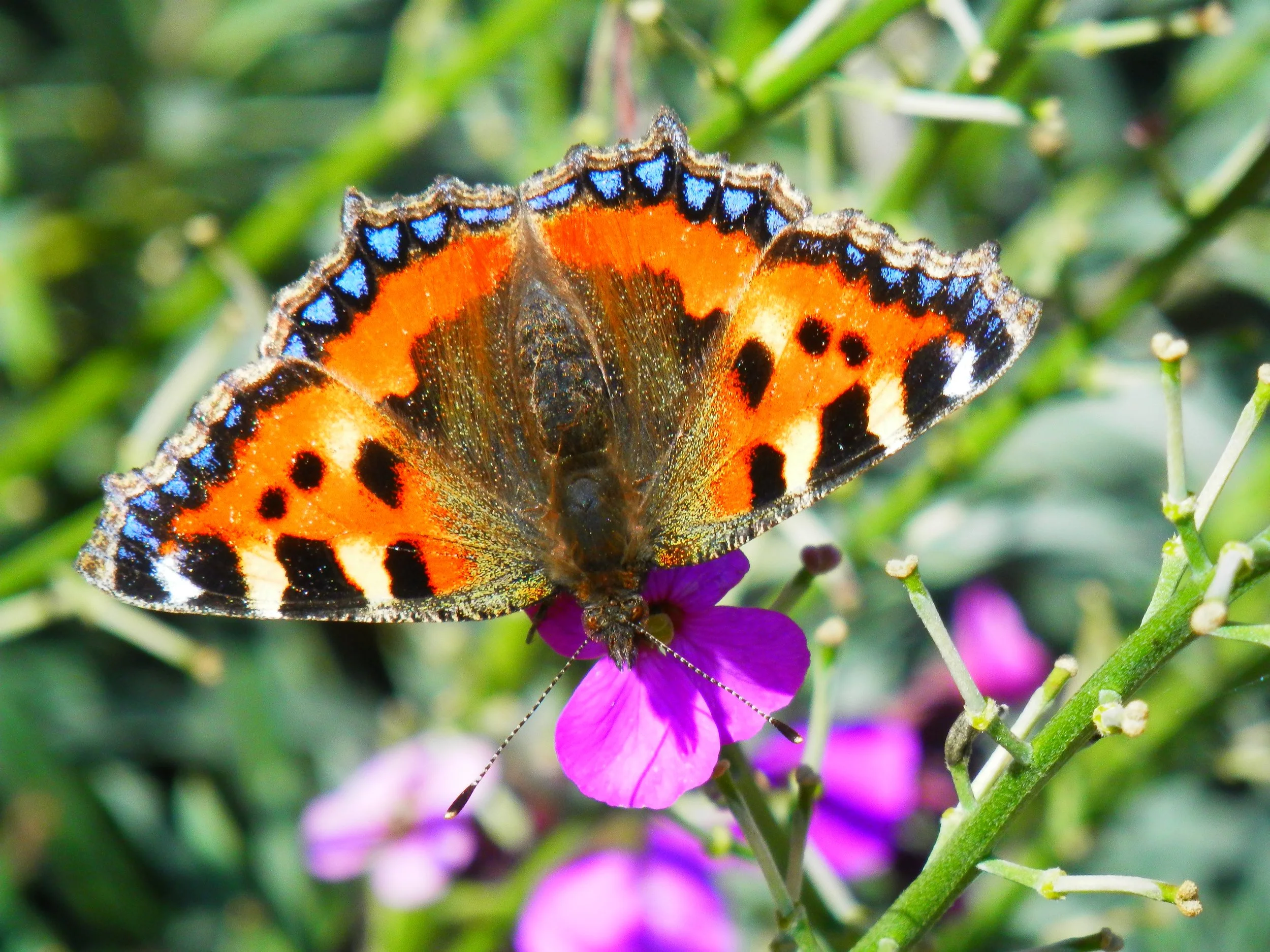
Ecological Consultation & Biodiversity Auditing
Data-driven assessments of your land’s current health with a strategic roadmap for measurable nature recovery.
Wildlife Gardening vs. Conventional Gardening
| Feature | Wildlife Gardening | Conventional Gardening |
|---|---|---|
| Philosophy | Prioritises ecosystem health and supporting life cycles. | Prioritises visual order, control, and neatness. |
| Planting | Native species selected for nectar, pollen, and larval food. | Ornamental hybrids and exotics chosen for colour or flower size. |
| Upkeep | Minimal; messy areas like long grass and seed heads are vital. | Intensive; regular mowing, weeding, and dead-heading. |
| Pest Control | Natural balance; encourages predators like birds and hedgehogs. | Chemical intervention; use of pesticides, herbicides, and slug pellets. |
| Resources | Log piles, leaf litter, and ponds are essential. | Organic waste is usually removed or binned. |
Why Wildlife Gardening Matters
Gardens in the UK cover approximately 1,000,000 hectares of land. When managed for nature, these spaces act as connecting corridors that allow wildlife to move, feed, and reproduce safely. The Nature Gardener provides the expertise to plan, build, and maintain these spaces, or offers the professional advice you need to manage your own project.
Hectares of wildflower grassland lost
Ponds have been drained and filled
Miles of hedgerows have been removed
Breeding birds have disappeared


-
Traditional gardening often prioritises human aesthetics, using non-native plants and chemicals to maintain a static look.
Wildlife gardening (or rewilding) prioritises ecological function. It focuses on native species, nutrient-rich soil cycles, and messier areas that provide shelter.
Essentially, traditional gardening is about how a space looks, while wildlife gardening is about what the space does.
-
Not at all. While landscape-scale rewilding happens on farms, micro-rewilding can happen in a window box or a suburban backyard.
The goal is to create a stepping-stone habitat. If every garden in a street has one native oak sapling or a small pond, it creates a wildlife corridor that allows species to move through urban environments safely.
-
A healthy rewilding project actually reduces pests by inviting their natural predators. For example, a well-designed wildlife pond attracts dragonflies and newts that eat mosquito larvae.
Likewise, owls, foxes, and birds of prey are attracted by diverse habitats and help keep rodent populations in check. Balance, rather than eradication, is the goal.
Frequently Asked Questions
-
Yes! You don't have to lose your functional space. I recommend flowering lawns or the no mow May approach.
By raising the mower blades and leaving certain sections to grow, you allow clover, daisies, and self-heal to bloom. This provides a carpet for you to walk on while still offering a massive nectar boost for pollinators.
-
In the long term, yes. You save significantly on fertilisers, pesticides, and intensive weekly mowing.
However, the first 1–3 years require active management to ensure invasive species don't take over and to help native plants get established. Once the ecosystem reaches a tipping point, it becomes largely self-sustaining.
-
Increasingly, Green Value is a real factor in UK real estate. Buyers are looking for gardens that offer privacy, birdlife, and low-maintenance beauty.
A professionally designed wildlife garden is often seen as a premium feature that is alive and vibrant, rather than a sterile chore that requires constant work.